
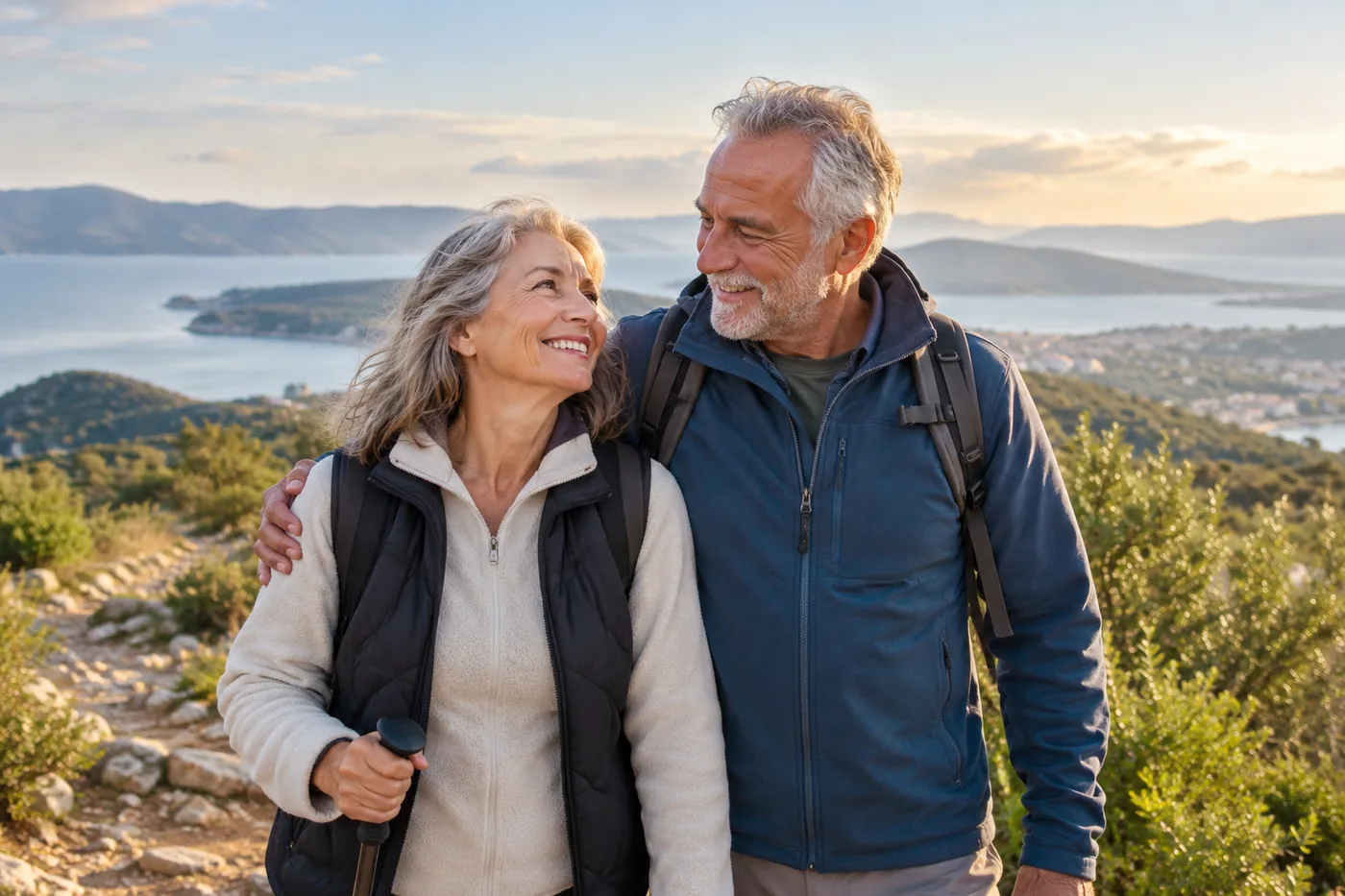
Active Senior Singles Can Share More Than an Activity
Active senior singles may enjoy walking, dancing, cycling, gardening, swimming, volunteering, or exploring a city on foot. The label does not require a particular fitness level or a calendar filled every day. For dating, the useful question is which activities you would enjoy sharing with a partner and what kind of relationship you want around them.
A shared outing can make an introduction feel natural. It gives you something to notice, talk about, and enjoy together. It does not automatically establish romantic interest. A person can be an excellent walking companion and want a different relationship from yours.
Describe both parts of the invitation. ‘I enjoy weekend walks and would like to meet someone for a relationship, not only an exercise partner’ is clear without being demanding. You can value movement and adventure while also wanting affection, ordinary evenings, and someone whose company remains appealing when no activity is planned.
Explain What Active Means in Your Week
Tell potential partners what you actually do. A daily twenty-minute walk, weekend hillwalking, social dancing, and frequent overseas trips all describe active lives with very different rhythms. Specificity helps someone imagine joining you without assuming a standard they cannot or do not want to meet.
Include the social aspect. You may prefer solitary exercise and want a partner for meals afterward, or enjoy activities mainly because they bring company. Neither makes you more genuinely active. A partner who loves the same sport may still want a different experience of it.
If retirement has recently changed your calendar, dating as a newly retired single can involve exploring how much activity and togetherness you want. Avoid presenting an aspirational schedule as your everyday life. Someone responding to constant adventure may feel misled if you usually prefer a quiet week, just as an energetic person may be unhappy if every proposed outing is declined.
Let Different Abilities Share the Same Outing
Two people do not need identical stamina or skill to enjoy an activity together. They do need a plan that both can participate in without embarrassment or pressure. Ask about preferred distance, pace, breaks, terrain, or experience rather than assigning limits from appearance or age.
Imagine one person who enjoys a brisk five-mile walk and another who prefers a shorter route with time to stop. They might choose a gentle shared outing and do longer exercise separately. That is a workable relationship choice if both enjoy it. It is less workable if the faster person spends every date expressing disappointment or the slower person feels required to push beyond comfort.
Choose early outings where changing the plan is easy. A short public route with places to stop is more flexible than a remote trip dependent on one person's transport. You can discover each other's pace while preserving the option to continue over coffee. Save demanding adventures for a stage when you know one another's preferences and practical needs.
Notice the Person When the Activity Stops
Shared enjoyment creates a good opening, but dating asks whether you enjoy the person as well as the pursuit. What happens while waiting for a class to begin, travelling home, or sitting over a drink? Is there curiosity, humor, attraction, and room for both voices?
A competitive activity can also reveal how you treat each other. A considerate partner can enjoy skill and challenge without making every difference a ranking. Notice whether advice is asked for, mistakes are tolerated, and changes are negotiated. You do not need to date someone who turns leisure into a continuing assessment.
If a particular hobby is central to the relationship you want, meeting senior singles through shared interests explores the distinction between a common interest and a shared future. A partner does not need to accompany every session. They should respect the importance of the interest and be someone you also want beside you afterward.
Build Romance Beyond Group Participation
Seeing someone regularly in a group can build familiarity while leaving intentions unclear. If you want to date, make a separate invitation rather than assuming frequent proximity has established a romance. A person may be friendly with everyone and have no idea you are interested.
You can say, ‘I enjoy talking with you after the walk. Would you like to have dinner together as a date?’ The wording gives them a real choice. If they decline, respect the answer and preserve a comfortable group atmosphere rather than continuing to pursue them through the activity.
For an early date, choose something with space for conversation. Mature first-date options include outings that let you notice one another without requiring hours of exertion or constant instruction. Your most impressive skill may not be the best first introduction. An activity is useful when it supports connection, not when it leaves one person watching the other perform.
Plan Rest Days and Everyday Partnership
An active relationship still includes ordinary life. Discuss what you enjoy when the weather is poor, work becomes busy, or one person wants a quiet day. If the only shared pleasure is a particular activity, the relationship may feel narrow whenever that activity is unavailable.
You may also have different travel preferences. One person might want an energetic itinerary while another likes an outing followed by several relaxed hours. Dating singles who love travel raises those choices without assuming that shared enthusiasm produces identical plans. Talk about an actual day rather than agreeing that you both like adventure.
A new relationship should allow each person independent pursuits. You can have different exercise routines and still share affection, meals, and regular time. Compatibility is not measured by how many hours you spend doing the same thing. It is reflected in whether the combination of shared and separate activity feels welcome to both people.
Activity preferences can change with seasons, injuries, work, or simple curiosity. You need not promise a partner that your present routine will stay identical forever. Ask whether you both enjoy adapting and discovering alternatives. An activity-focused beginning has more room to become a relationship when affection is not conditional on maintaining one exact level of performance.
Choose Someone You Enjoy at Both Speeds
Look for a partner whose company appeals during movement and stillness. You might enjoy their enthusiasm on an outing, their kindness when a plan changes, and their conversation over an ordinary dinner. That broader attraction makes space for a relationship rather than only a recurring event.
Offer an honest picture in your introduction: what you enjoy, your preferred pace, and whether you want romance, companionship, or a lasting partnership. Use current photographs that represent the way you actually participate. You do not need a dramatic action image to show that an active life matters to you.
Begin with one shared experience that leaves both people comfortable enough to be themselves. If you want another meeting after the activity ends, say so. The best next step is a connection you would choose even on a day when neither of you has a route, class, or itinerary to follow.